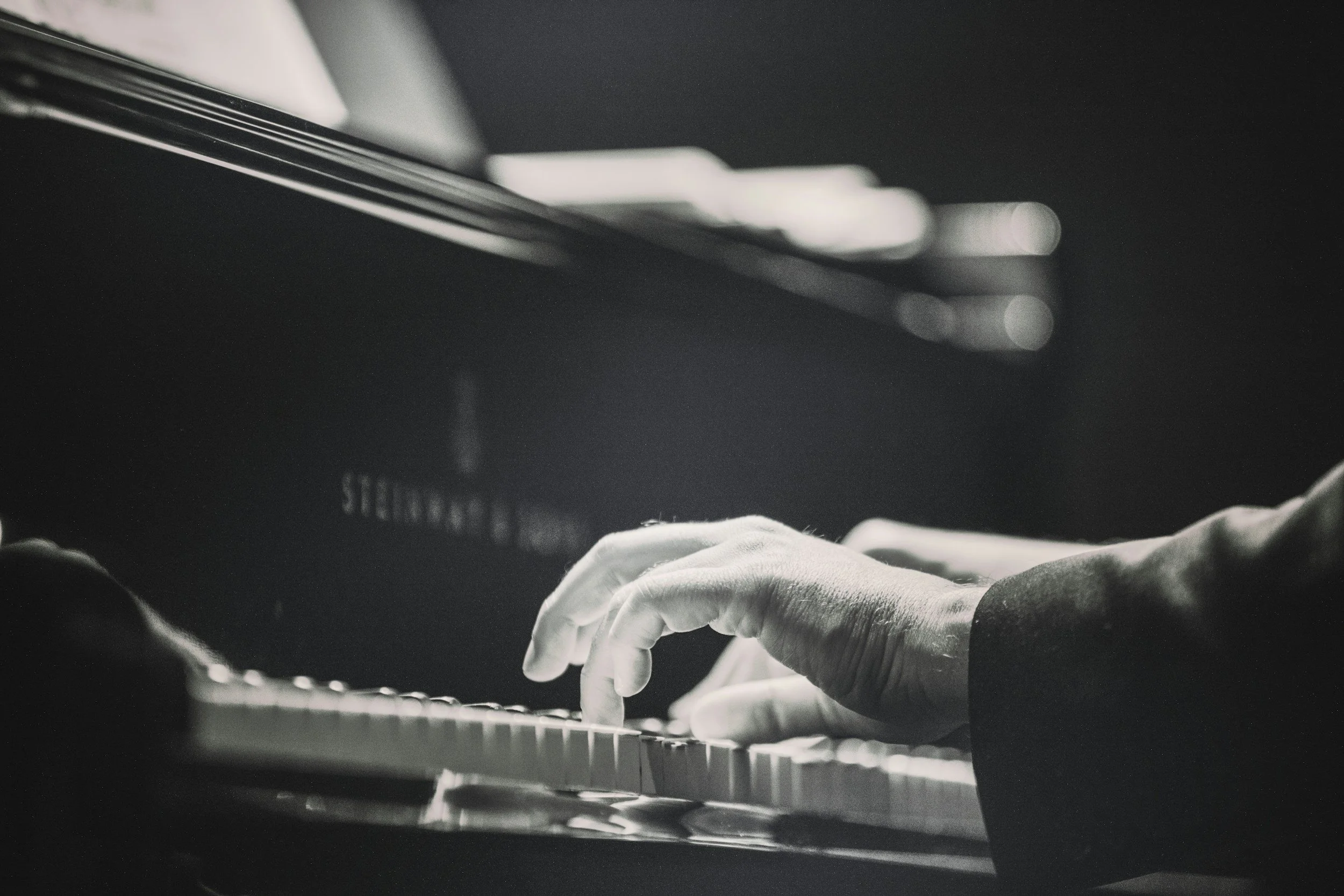
Piano Concert: Preparation Guide for Students and Parents
How to Prepare for a Piano Concert
A Practical Guide for Students and Parents
Preparing for a piano concert is an exciting milestone in a student’s musical journey. With the right preparation, performances can become positive, confidence-building experiences that students remember for years.
This guide provides practical advice to help students feel confident, organised, and ready for their performance day.
-
Successful performances are built on consistent preparation over time. Students should aim to learn their pieces thoroughly well before the concert date so that the final weeks can focus on confidence and musical expression rather than just notes.
Helpful strategies include:
Practicing slowly and accurately
Breaking music into small sections
Repeating difficult passages regularly
Following teacher practice instructions carefully
Consistency is more effective than long practice sessions close to the performance.
-
Playing at home alone feels very different from performing in front of others. Students benefit greatly from practising performance situations before the concert.
Parents can help by:
Asking the child to perform for family members
Creating a “mini concert” at home
Practising walking to the piano, starting, and finishing
Encouraging playing without stopping for mistakes
This builds familiarity and reduces performance anxiety.
-
Feeling nervous before performing is completely normal — even professional musicians experience it. The goal is not to eliminate nerves, but to learn how to manage them.
Helpful tips include:
Taking slow, deep breaths before starting
Focusing on the music rather than the audience
Thinking positively about preparation
Remembering that small mistakes are acceptable
Confidence grows with experience.
-
Students perform best when they are physically and mentally prepared.
On the day before and the day of the concert:
Get enough sleep
Eat regular meals
Avoid excessive last-minute practice
Maintain normal routines where possible
A calm mindset supports better performance.
-
Being organised helps reduce stress and ensures a smooth experience.
Students should bring:
Sheet music (even if performing from memory)
Performance shoes
Concert attire
Hair accessories if needed
Water bottle (if allowed outside performance area)
Any required forms or tickets
It is recommended to pack these items the day before.
-
Appearance is part of stage presentation and helps students feel prepared and confident.
Suitable concert attire includes:
Formal or semi-formal clothing
Comfortable, neat shoes suitable for pedal use
Clothing that allows easy movement at the piano
Avoid:
Casual sportswear
Very short or restrictive clothing
Noisy accessories
Looking prepared often helps students feel more confident.
-
Students should arrive early to allow time to settle in and become comfortable with the environment.
Recommended:
Arrive 10–15 minutes before the start time (or as instructed)
Use the restroom beforehand
Sit quietly and listen to other performers
Mentally review the music
Avoid rushing or last-minute panic practice.
-
Students should remember simple performance etiquette:
Walk calmly to the piano
Adjust the bench if needed
Take a moment before starting
Continue playing even if mistakes happen
Finish confidently and acknowledge applause
Confidence often matters more than perfection.
-
After performing, it is important to celebrate the achievement.
Parents can support by:
Offering encouragement and praise
Focusing on effort rather than mistakes
Recognising progress and bravery
Positive experiences build long-term motivation.
-
Every performance is a learning opportunity. Over time, students become more comfortable, confident, and expressive musicians.
The goal is not perfection — the goal is growth.