Performance
Confidence
Overcoming Performance Nerves
ABOUT
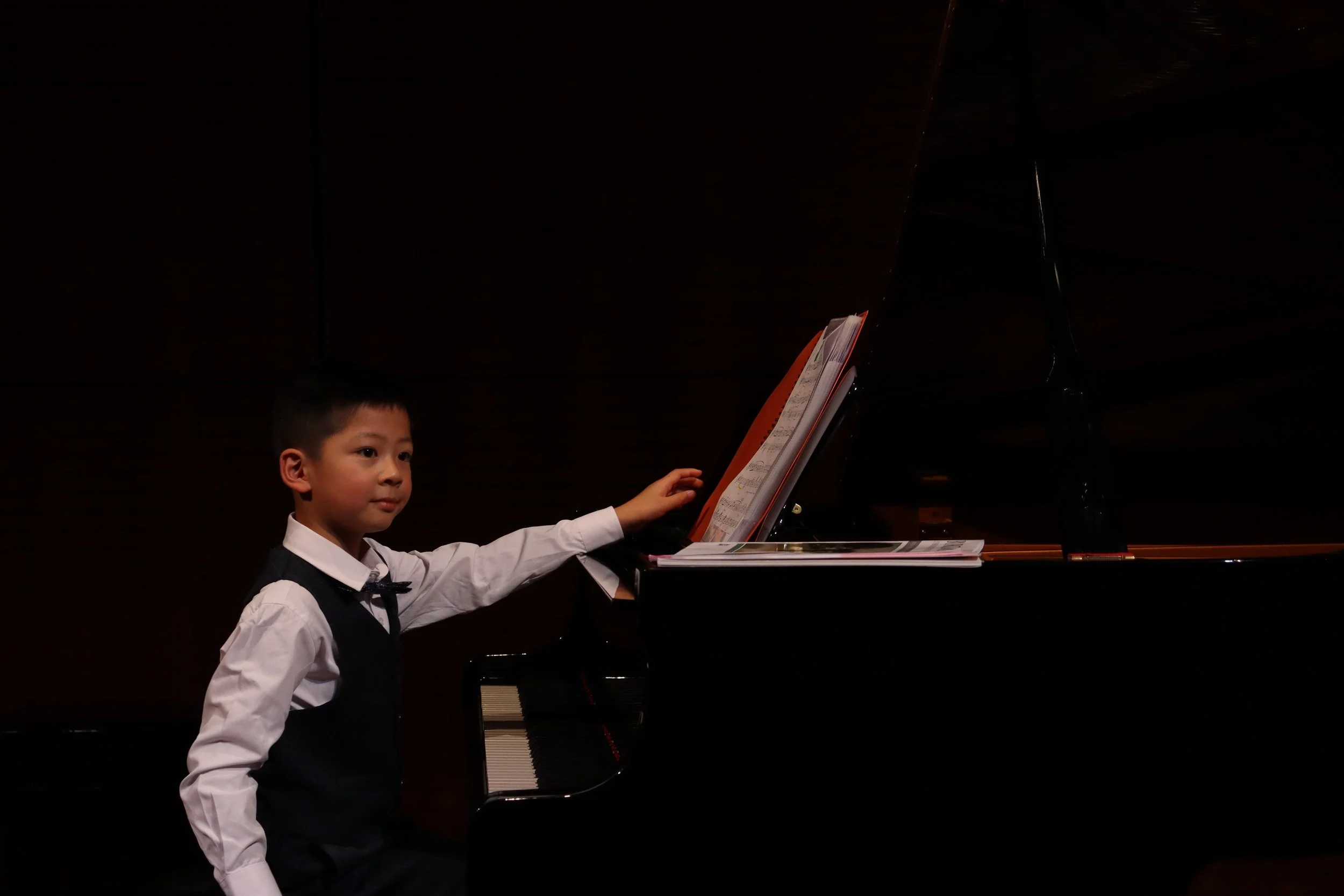
Helping Piano Students Feel Calm and Confident on Stage
Feeling nervous before a performance is completely normal. In fact, even professional musicians experience performance nerves. Nervousness does not mean a student is unprepared or incapable — it simply means they care about doing well.
For piano students, learning how to manage performance nerves is an important part of musical development. With the right preparation and support, nerves can be transformed into confidence and excitement.
Why Do Students Feel Nervous?
Performance situations are different from practicing at home. Students may feel nervous because they are:
Being watched by an audience
Worried about making mistakes
Unsure what to expect
Feeling pressure to perform well
Experiencing something new
These feelings are natural and part of the learning process.
Nervousness Is Not Always Bad
A small amount of nervous energy can actually improve focus and concentration. Many musicians perform better when they feel slightly excited or alert.
The goal is not to eliminate nerves completely, but to learn how to manage them.
Over time, confidence grows with experience.
How Students Can Manage Performance Nerves
1. Preparation Builds Confidence
The strongest antidote to nerves is preparation. When students know their music well, they feel more secure and in control.
Helpful preparation includes:
Consistent daily practice
Slow and careful repetition
Practising difficult sections separately
Performing for family before the concert
Confidence comes from familiarity.
2. Practice Performing Before the Concert
Students benefit greatly from simulated performance situations.
Parents can help by:
Asking the child to perform at home
Creating a small “concert” for family members
Practising walking to the piano and starting calmly
Encouraging playing without stopping for mistakes
The more familiar the situation feels, the less intimidating it becomes.
3. Breathing and Relaxation Techniques
Simple physical techniques can help calm nerves.
Before performing:
Take slow, deep breaths
Relax shoulders and hands
Pause quietly before starting
Focus on the first note of the music
These small actions help regulate the body’s stress response.
4. Positive Thinking Matters
Students often worry about mistakes. It helps to shift focus toward positive thoughts:
“I am prepared.”
“I will do my best.”
“It’s okay if it’s not perfect.”
“I am sharing music.”
Confidence grows when thoughts become supportive rather than critical.
5. Accept That Mistakes Can Happen
Even professional performers make mistakes. What matters most is continuing confidently.
Students who learn to recover calmly develop resilience and strong performance skills.
Perfection is not the goal — communication and confidence are more important.
How Parents Can Support Their Child
Parental support has a significant impact on a child’s performance experience.
Helpful approaches include:
Staying calm and positive
Avoiding pressure or criticism before the performance
Praising effort rather than results
Celebrating bravery and progress
Providing reassurance
After the performance, encouragement is more valuable than evaluation.
Confidence Develops Through Experience
The most effective way to reduce performance nerves is regular positive performance experiences. Each successful performance builds confidence and familiarity.
Students who perform regularly often become comfortable and even enjoy being on stage.
Confidence grows step by step.